Photography
AI Headshots vs. Professional Headshots: What Clients and Recruiters Notice
Quick answer
AI headshots are fast and cheap, but clients and recruiters increasingly notice the signs — flat lighting, mismatched eyes, smoothed skin, and backgrounds that do not exist. A professional headshot session is worth it for anything client-facing: executive profiles, sales teams, and leadership pages.
Key takeaways
- Recruiters and clients increasingly spot AI headshots from the lighting and skin texture.
- AI works for low-stakes internal use; professional wins for anything client-facing.
- Consistency across a team is hard with AI and easy with a controlled session.
- A real session captures genuine expression — the trust signal AI cannot fake.
What clients and recruiters actually notice
The telltale signs of an AI headshot are now common knowledge among people who look at faces for a living. Flat, directionless lighting; skin smoothed into a plastic texture; eyes that do not quite match; teeth and ears that warp on close inspection; and background shadows that do not match the subject. Together they read as off — and the viewer registers it before they can name it.
When AI headshots are fine
AI headshots have a legitimate use: quick internal placeholders, a draft for a speaker badge, or a low-stakes social avatar that will be replaced. If no client or candidate makes a decision based on the image, the speed and low cost can make sense.
When professional headshots win
- Executive profiles and leadership pages, where the face is the trust signal.
- Sales teams, where a consistent set makes the company look organized.
- Client-facing proposals and decks, where the photo is part of the first impression.
- Recruiting and employer branding, where candidates read authenticity fast.
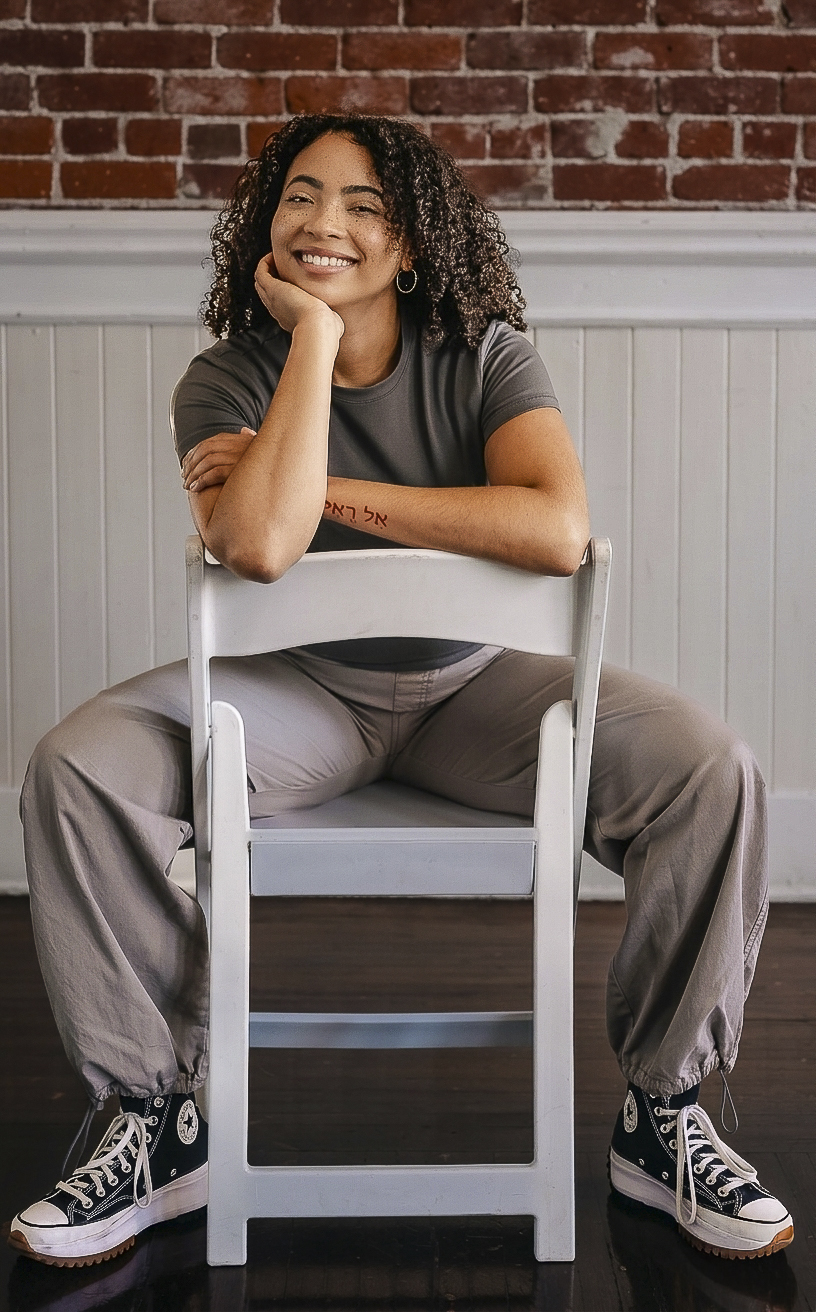
The advantage of a real session is not just image quality. It is consistency — every team member shot with the same lighting and background — and genuine expression, which AI still cannot manufacture. Book a headshot or brand session.